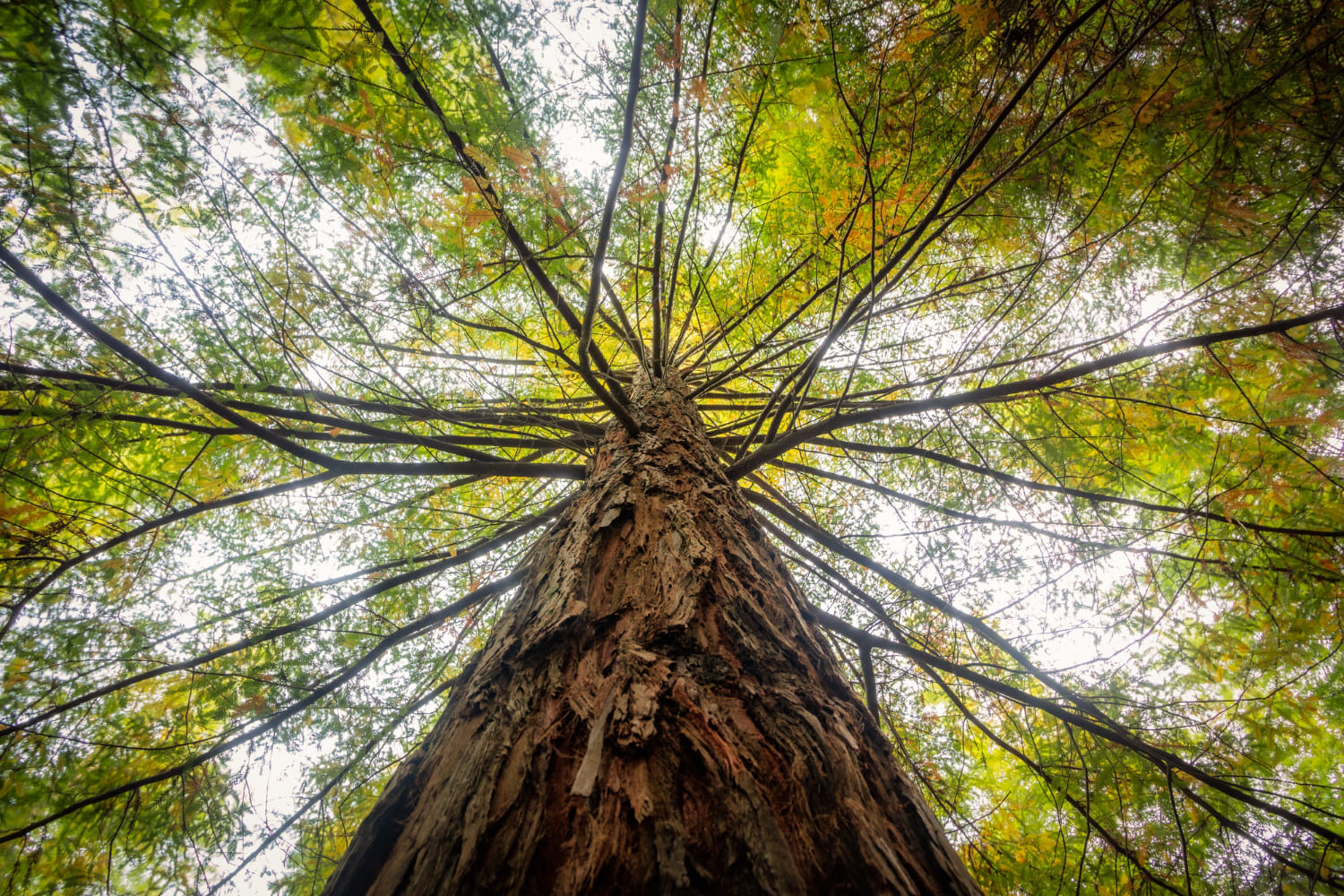
Oregon's storm season doesn't give much warning. One night of wind and rain can turn a tree you've admired for decades into a pile of debris, or worse, a hazard to your home, your car, or your family.
But, you must know, most tree failures don't happen without warning signs. Knowing what to look for can mean the difference between a proactive trim and an emergency call at 2 a.m.
Whether you've lived in Portland for a long time or are new to the area, this guide will walk you through the key indicators that a tree may be structurally compromised, and what you can do about it before the next storm rolls in.
Key Points
- Structural warning signs like leaning, root damage, and co-dominant stems are among the most reliable predictors of storm failure
- Dead, cracked, or hanging branches are immediate safety hazards that should be addressed before storm season
- A tree doesn't have to look "sick" to be a risk; healthy-looking trees can still have hidden structural problems
- Professional assessment by a certified arborist is the most reliable way to evaluate storm risk
- Preventive services like pruning and cabling can dramatically reduce the chance of failure
Start at the base: what's happening at ground level?
The health of a tree often begins underground, but the base of the trunk can reveal a lot without digging a single shovelful. Look for these warning signs near the base:
- Visible fungal growth, mushrooms, or conks at the base of the trunk (often a sign of internal decay)
- Soil heaving or lifting on one side; this can indicate root failure, especially in leaning trees
- Cracks or splits at the base of the trunk
- "Buttress roots" that look sunken, discolored, or have soft, spongy wood
- Recent construction, trenching, or soil compaction near the root zone (roots are more fragile than most people realize)
A circle of bare soil or dying grass around the base of your tree can signal root stress. Roots compete for oxygen, and compacted or poorly draining soil puts enormous strain on the whole tree's stability.
Look up! Read the trunk and canopy
Once you've checked the base, step back and look at the full picture of the tree. On the trunk, watch for:
- Vertical cracks or seams running up the bark
- Hollow sections: knock on the trunk and listen for a dull, hollow thud
- Peeling or missing bark that reveals soft, discolored wood beneath
- Cavities or wounds that haven't closed over properly
- Unusual leaning that has developed over a short period of time (gradual lean vs. sudden lean are very different situations)
In the canopy, red flags include:
- Dead branches scattered throughout the crown
- Hanging or partially attached limbs ("widow-makers")
- A canopy that is noticeably thinner on one side
- Epicormic sprouting, clusters of small shoots along the trunk, which often indicates the tree is under significant stress
- Co-dominant stems (two or more main trunks growing from the same point), which create a structural weak point known as an included bark union
Co-dominant stems with included bark are one of the most common causes of catastrophic tree failure during high winds. If your tree has a V-shaped crotch rather than a U-shaped one, have it evaluated.
Don't overlook the "widow-maker" problem
Dead or hanging branches deserve their own conversation. These aren't aesthetic issues; a single large dead limb can weigh hundreds of pounds and fall without any wind at all, let alone during a storm.
Are any of your branches:
- Dry, brittle, or lacking leaves when surrounding branches are full?
- Cracked at the point where they attach to the trunk?
- Caught in the canopy after a previous storm?
- Overhanging your roof, driveway, or children's play area?
If you answered yes to any of these, you're not in a "wait and see" situation. After any windstorm, walk your property and look up. Storms often leave partially detached branches that aren't visible from the ground until you're looking for them.
Signs a tree may already be failing
Sometimes the warning signs go beyond "this might be a problem" into "this is an active concern." These are situations that warrant a call to a professional immediately:
- A tree that has begun to lean suddenly, especially after rain (saturated soil reduces root grip)
- Exposed roots that appear broken or have snapped free from the soil
- Large cracks that have opened up at a branch union or the base of the trunk
- A tree that recently lost a large limb and has a large wound that hasn't sealed
- Any tree within fall distance of your home, utility lines, or high-traffic areas showing multiple risk factors
What can be done?
Not every at-risk tree needs to come down. In many cases, strategic intervention can significantly extend the life of a tree and dramatically reduce its storm risk. At Oregon Tree Care, we offer several services that directly address storm risk:
- Tree trimming and pruning — Removing dead, weak, and crossing branches reduces the "sail effect" of the canopy during high winds and improves overall structural integrity
- Tree cabling and bracing — For trees with co-dominant stems or significant lean, installing cables and braces provides supplemental support and can prevent catastrophic failure
- Tree removal — When a tree poses too great a risk to people and property, safe removal is sometimes the most responsible choice
- Arborist reports and consultations — A certified arborist can conduct a full on-site assessment, document risk factors, and recommend the right course of action, whether that's pruning, cabling, or removal
Our emergency tree services are available if a storm has already caused damage or left a hazardous situation on your property.
Be ready before the storm hits
The time to evaluate your trees isn't when winds are howling and rain is sheeting sideways; it's during the calmer months, when you have time to act thoughtfully.
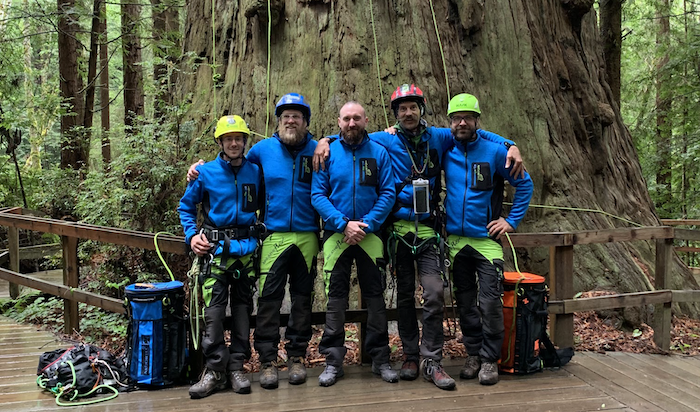
A professional tree assessment costs far less than emergency storm cleanup, insurance claims, or roof repairs. At Oregon Tree Care, our certified arborists have been protecting Portland-area homes and properties for over 20 years. We'll walk your property, evaluate your trees honestly, and give you a clear picture of where things stand.
Contact us online to schedule a tree risk assessment or call us at (503) 765-9308!