How Do I Know If a Tree Is a Risk and Really Needs to Be Removed?

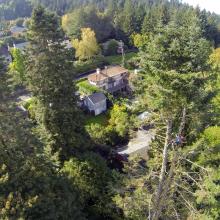
Trees are one of the most valuable features of any Oregon property. They provide shade, beauty, and long-term environmental benefits. But as much as we love them, trees are living structures that change over time. Weather, soil conditions, disease, pests, and even nearby construction can quietly compromise their stability.

Read more

Why Late Fall and Early Winter Are Ideal for Tree Pruning in Portland

Winter has officially settled into Portland, which means your trees are facing months of rain, wind, and occasional ice. Even though the cold season has already begun, this is still one of the very best times of the year to prune. Trees are dormant right now, their leaves are gone, and arborists can clearly see their structure without putting unnecessary stress on them.

Read more

When (and why) to prune elm trees in the Pacific Northwest

As the vibrant colors of autumn begin to paint the Portland landscape and leaves start their annual descent, many homeowners are focused on raking and preparing their gardens for winter. However, there's something far more important that deserves your attention during this transitional season: the health and safety of your trees.

Read more

Dead trees, new life: How habitat snags support Oregon’s ecosystem

When most people see a dead tree, they think it’s time to cut it down and haul it away. But here’s something surprising: a dead tree can often support more life than a living one. These standing dead or dying trees, known as habitat snags, play an essential role in Oregon’s ecosystem. They’re like apartment complexes for wildlife — offering food, shelter, and nesting spots to countless creatures.

Read more

How to live safely with mature Douglas firs in your yard in Oregon

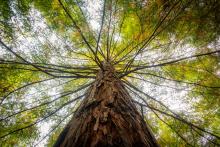
Living in Oregon means being surrounded by breathtaking natural beauty, including towering douglas fir trees. If you're lucky enough to have one (or several) in your yard, you already know how majestic and grounding these giants can be. But like any living thing, they need a little attention to stay healthy and safe, especially when they're mature and towering over your home.

Read more

A Homeowner’s Guide to Tree Disease Prevention and Care in Oregon

Trees are the lungs of our neighborhoods. They clean the air, give us shade, and provide shelter for birds and wildlife. In a place as green and lush as Oregon, our trees are more than landscape features — they’re part of our identity. But just like any living being, trees can fall ill. And when they do, the effects can spread quickly and silently.

Read more

The Impact of Weather on Tree Health

Trees are not just beautiful additions to our landscapes; they are vital components of our ecosystems. They contribute to cleaner air, cooler environments, and provide shelter for countless species. However, trees face various weather challenges throughout the year. In this article, we will explore how different weather conditions affect tree health and offer actionable tips for tree care to help your trees thrive all year round.

Read more

Identifying and Managing Common Tree Pests in Oregon

Trees are a vital part of Oregon's natural beauty, offering everything from shade in the summer to stunning foliage in the fall. However, the trees in our region are often under threat from a variety of pests that can cause significant damage if left unchecked. Whether you're a homeowner with a single oak in your backyard or a property manager responsible for an entire forested area, understanding these pests and knowing how to manage them is vital.

Read more

The benefits of ongoing yearly tree maintenance

In Oregon, where the natural landscape plays a big part in our daily lives, keeping trees healthy and thriving is a must.

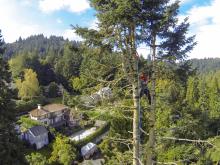
Regular tree maintenance isn't just about making your yard look good — it's also about preventing bigger problems down the line. Certified arborists can spot early signs of trouble, from diseases to potential safety hazards, ensuring your trees stay healthy and your property stays safe.

Read more