Fruit trees do not need much from us in the middle of winter, at least not on the surface. They are quiet. The leaves are gone. Growth has slowed. The garden feels like it is waiting.
But for orchard trees, this quiet season is exactly when some of the most important work can happen.
Late winter is one of the best times to prune many orchard trees because the tree is still dormant, the branch structure is easy to see, and spring growth has not started yet. Done well, pruning during this window can improve tree shape, encourage stronger growth, increase light and airflow, and support better fruit production later in the season.
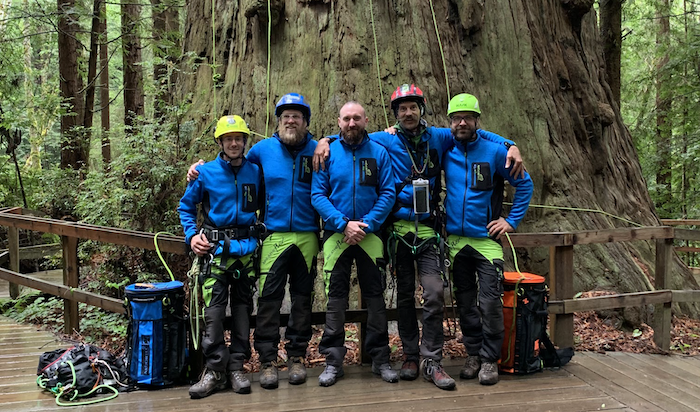
At Oregon Tree Care, pruning is not treated as a quick cleanup job. It is careful, skilled work done with the health, structure, and long-term future of the tree in mind. Our certified arborists serve the Portland Metro area with ethical, professional tree care focused on proper technique and environmental stewardship.
Why late winter works so well
Late winter pruning gives orchard trees a strong start before spring. Oregon State University Extension explains that pruning apple trees in late winter, just before spring, is ideal because the trees are dormant, the worst of the cold weather has usually passed, and pruning can help shape strong spring growth.
Timing is everything. Prune too early in winter and fresh cuts can be exposed to harsher cold. Wait too long and the tree is already pushing energy into new buds, making cuts harder to heal efficiently. Late winter is the sweet spot. The tree is still dormant, but spring is close enough that new growth will follow quickly and the cuts can drive the next cycle rather than interrupt it.
It is easier to see the real structure
When fruit trees are full of leaves, it is harder to understand what is actually happening inside the canopy. Branches overlap. Deadwood hides. Upright shoots blend into healthy growth.
Once the leaves drop, the structure becomes easier to read. A trained arborist can see:
- Crossing branches
- Crowded interior growth
- Broken or weak limbs
- Water sprouts
- Branches growing at poor angles
- Areas where light cannot reach
Winter pruning helps arborists identify problem limbs more easily because leaves are gone and growth has paused. For orchard trees, that visibility is especially valuable. Good fruit production depends on structure. When the canopy is too dense, sunlight and airflow have a harder time reaching the fruiting wood.
Pruning supports better light and airflow
Fruit trees need sunlight throughout the canopy, not just on the outer edges. When the interior becomes crowded, fruit quality can decline, disease risk can increase, and branches may become weak from poor structure. Late winter pruning helps open the canopy before the growing season begins. This can support:
- Better fruit color
- Improved fruit size
- Stronger branch development
- Better airflow
- Easier harvesting
- Reduced branch crowding
Oregon State University Extension notes that pruning mature fruit trees can increase production and improve fruit quality, while also helping manage tree size and harvest access. That does not mean removing as much wood as possible. Over-pruning can stress a tree and create more problems. The goal is selective pruning that improves structure without taking more than the tree can handle.
It helps guide spring growth
Pruning isn't just about removing what looks out of place. Every cut is a decision about where the tree will put its energy next.
Late winter pruning happens right at the edge of dormancy, just before active growth begins. That timing means each cut directly shapes how the tree responds come spring. Done well, a fruit tree comes back with stronger, better-positioned growth. Done poorly, it responds with excessive upright shoots, weak branch structure, or energy spent in the wrong places.
That's why technique matters as much as timing. A certified arborist doesn't simply cut what looks messy. They consider the species, the age, the tree's natural shape, its fruiting habits, and its overall health before making a single cut.
Orchard pruning is different from regular tree trimming
A shade tree and a fruit tree aren't managed the same way. Orchard pruning has its own set of goals. Depending on the tree's age and condition, pruning might be used to train young trees into a strong structural form, maintain a manageable size, encourage productive fruiting wood, remove dead or diseased growth, reduce overcrowding, or simply make the harvest easier to access.
Young trees need pruning to build that framework early. Mature trees need it to stay productive and avoid overgrowth. Older or neglected trees often require a slower, multi-year approach to bring them back without causing more harm than good.
That's part of why experience matters. An aggressive pruning job can set back fruit production or trigger weak, unproductive regrowth. A thoughtful, well-timed plan keeps the tree performing well season after season.
Late winter pruning can reduce safety issues too
Orchard pruning is usually about fruit and structure, but safety matters as well. A neglected fruit tree can develop weak limbs, crowded growth, or heavy branches that become more likely to break.
Oregon Tree Care emphasizes preventive maintenance and regular care as a way to improve tree health, safety, and longevity. Our certified arborists assess each tree's unique needs and use a personalized approach to pruning and trimming. This matters for homeowners with fruit trees near walkways, patios, fences, driveways, or play areas. A tree can be productive and safe when it is cared for consistently.
Why professional pruning is worth it
Pruning a small, uncomplicated fruit tree on your own is often fine. But larger trees, older specimens, overgrown orchards, or trees with significant value deserve a more careful approach.
A professional arborist can evaluate things that aren't always obvious from the ground: the species and its specific pruning needs, the effects of past pruning decisions, signs of disease or pest activity, branch structure and load distribution, the condition of fruiting wood, overall tree stress, and what a long-term management plan should look like.
Oregon Tree Care was founded by Damien Carré, an ISA Certified Arborist and Certified Tree Risk Assessor. We value precision, skill, community involvement, and professional arboriculture, including its partnership with Hoyt Arboretum. That kind of experience matters when pruning decisions can affect several years of growth and fruit production.
Your fruit trees spend the growing season producing shade, beauty, blossoms, and harvests. Late winter is the time to return that care with thoughtful pruning that supports stronger growth and healthier fruit.
Oregon Tree Care's certified arborists can evaluate your orchard trees and prune them with the right timing, technique, and long-term health in mind. Call (503) 765-9308 today to schedule expert orchard pruning and help your trees head into spring ready to thrive.