As the vibrant colors of autumn begin to paint the Portland landscape and leaves start their annual descent, many homeowners are focused on raking and preparing their gardens for winter. However, there's something far more important that deserves your attention during this transitional season: the health and safety of your trees.
Fall isn't just a beautiful time of year; it's the optimal window for essential tree care that can prevent costly damage and ensure your landscape thrives for years to come. And at Oregon Tree Care, we can tell you how.
Why fall is the perfect season for tree care?
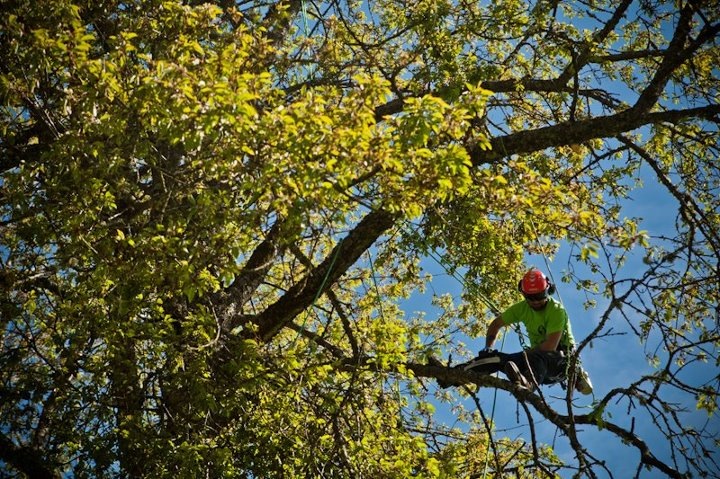
Autumn represents a critical period in a tree's annual cycle. As trees prepare for dormancy, they naturally redirect their energy from leaf production to root development and structural reinforcement. This biological process makes fall the ideal time for professional intervention. When leaves drop and branches become visible, arborists can see what has been hidden all summer: structural defects, disease symptoms, dead wood, and potentially dangerous conditions that could spell disaster when winter storms arrive.
The timing couldn't be more perfect! Trees are less stressed during their dormant period, which means they respond better to pruning and are less susceptible to certain infections. Additionally, with reduced foliage, we can work more safely and efficiently, accessing problem areas that would be hidden during the growing season. For you, this translates to better value, more thorough care, and greater peace of mind heading into the winter months.
Elm pruning: Protecting Portland’s iconic trees
Portland’s streets are lined with some of the most beautiful American elms in the Pacific Northwest, graceful, arching trees that provide shade, character, and a living connection to the city’s history. However, caring for elms takes timing, precision, and expert knowledge to protect them from disease and structural decline.
Understanding the seasonal moratorium
If you own elm trees, you may already know about Portland’s annual pruning moratorium from April 15 through October 15. This restriction isn’t arbitrary; it’s designed to protect these valuable trees from a devastating fungal infection known as Dutch Elm Disease (DED).
DED spreads through elm bark beetles, which are most active during the warmer months. When pruning cuts are made during this period, the scent of fresh wood can attract beetles carrying fungal spores, giving the disease an entry point into the tree. Once infected, DED can travel quickly through the vascular system, often leading to the death of the tree within a single growing season.
By observing the pruning moratorium, you’re helping safeguard the city’s elm population from this preventable threat.
The safest (and smartest) time to prune
Now that the moratorium has lifted, autumn is the perfect time to schedule professional elm pruning.
Fall pruning allows our arborists to:
- Identify weak or crossing branches that could break under winter snow or wind.
- Improve airflow and canopy balance, reducing the risk of disease and breakage.
- Remove deadwood that may harbor pests or fungi.
- Preserve the tree’s natural form, promoting long-term stability and health.
Elms are particularly prone to developing heavy upper canopies with narrow branch angles, which can make them susceptible to limb failure. By thinning the canopy and reducing end weight, pruning helps these majestic trees maintain their strength and iconic vase shape.
What are the signs of stress or disease in elm trees?
Even with proper care, elms can sometimes show signs of stress. It’s important to watch for:
- Sudden yellowing or wilting of leaves (especially on one side of the tree)
- Premature leaf drop during summer
- Dead or bare branches high in the crown
- Bark discoloration or streaking beneath the surface
These symptoms may indicate Dutch Elm Disease or other issues like root damage or drought stress. If you notice any of these signs, call Oregon Tree Care right away. We can inspect the tree, perform diagnostic sampling if needed, and recommend the right course of action.
Preserving Portland’s elm heritage
Portland is one of the few U.S. cities that still boasts a healthy population of mature elms. Neighborhoods like Ladd’s Addition and Laurelhurst feature century-old specimens that define the character of their streets. Each elm represents decades of care and a collective responsibility to keep them thriving.
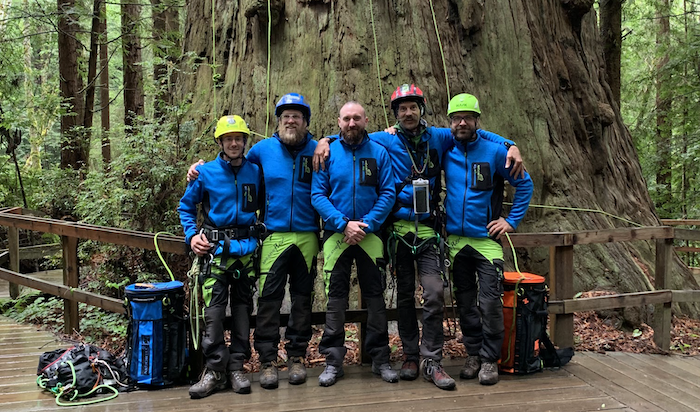
At Oregon Tree Care, we take that stewardship seriously. Our ISA-certified arborists follow strict pruning standards, ensuring every cut supports both the individual tree and the broader community canopy.
We also collaborate with homeowners to create long-term maintenance plans tailored to each tree’s structure, soil conditions, and exposure. Whether it’s light canopy thinning or corrective pruning after storm damage, we focus on sustainable, science-based care that prioritizes tree health.
Investing in your landscape’s long-term health
Healthy trees are an investment that pays dividends year after year. They provide shade, increase property value, improve air quality, and contribute to the overall character of your neighborhood. However, these benefits depend on proper care.
Professional pruning and maintenance not only enhance your property’s beauty but also:
- Reduce the risk of storm damage
- Prevent the spread of pests and diseases
- Promote balanced growth and strong structure
- Extend the life of your trees
- Support local wildlife and biodiversity
Take action this fall
As autumn settles over Portland, don't let this optimal care window pass by. The trees that shade your home, increase your property value, and contribute to your neighborhood's character deserve professional attention. Whether you need routine maintenance, hazard assessment, elm pruning, or invasive species removal, fall is calling you to action.
Your trees have been working hard all year, providing shade, beauty, and environmental benefits. Return the favor by investing in their health and safety. At Oregon Tree Care, we can help! Call us at (503) 929-9437 today and enter winter knowing your landscape is prepared for whatever the season brings.